First-Year Music Teacher Secrets: 3 Simple Management Hacks for a Stress-Free Classroom
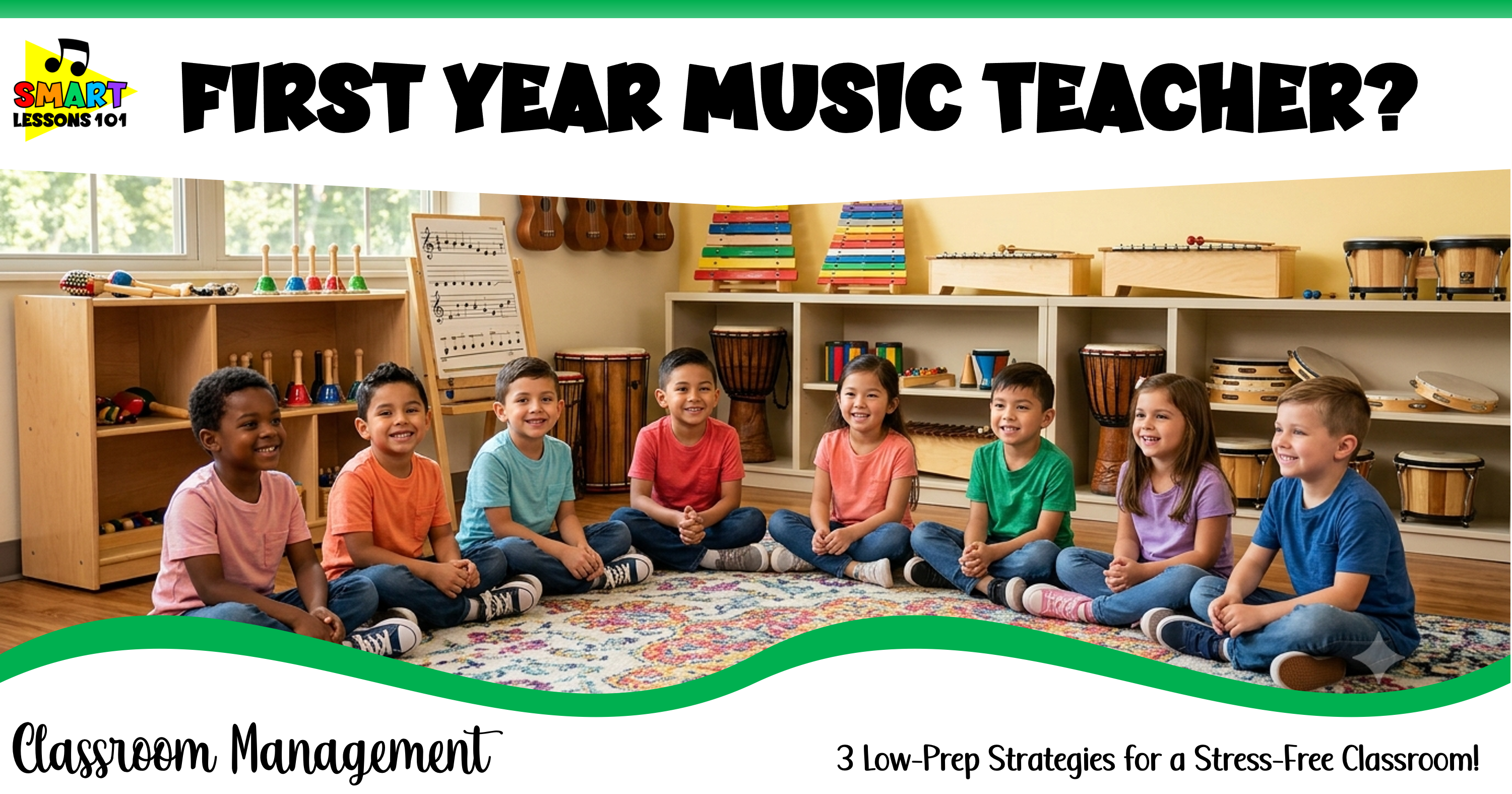
Standing in front of thirty elementary students with hand drums, Boomwhackers, and endless energy can feel equal parts thrilling and downright overwhelming—especially during your first year.
Unlike general classroom teachers, music educators see hundreds of students each week, often back-to-back, with only minutes between grade levels. You’re not just teaching rhythm and melody; you’re managing transitions, physical movement, and noise levels at scale.
If you’re feeling back-to-school jitters, take a deep breath! You don't need a 50-page rulebook to run an organized music room. By implementing just three simple, low-prep routines, you can protect your voice, keep energy focused, and establish a positive environment from the very first bell.
Strategy 1: Save Your Voice with Call & Response Attention Grabbers
Shouting over thirty children playing rhythm sticks will burn out your vocal cords by week two. Instead of competing with the room, train your students to respond instantly to rhythmic and vocal cues.
When you use call-and-response patterns, you turn classroom management into a musical game. Students naturally lock into the rhythm, drop what they’re doing, and reply back—all while lowering their volume.
How to Implement This Today:
- Start simple: Sing a quick pitch pattern on So-Mi-So like "Eyes on me!" and have the class sing back "Eyes on you!"
- Rhythmic callbacks: Clap a short 4-beat rhythm pattern and have students clap it back back while freezing their bodies.
- Keep it fresh: Switch up your patterns throughout the month to keep kids listening closely.
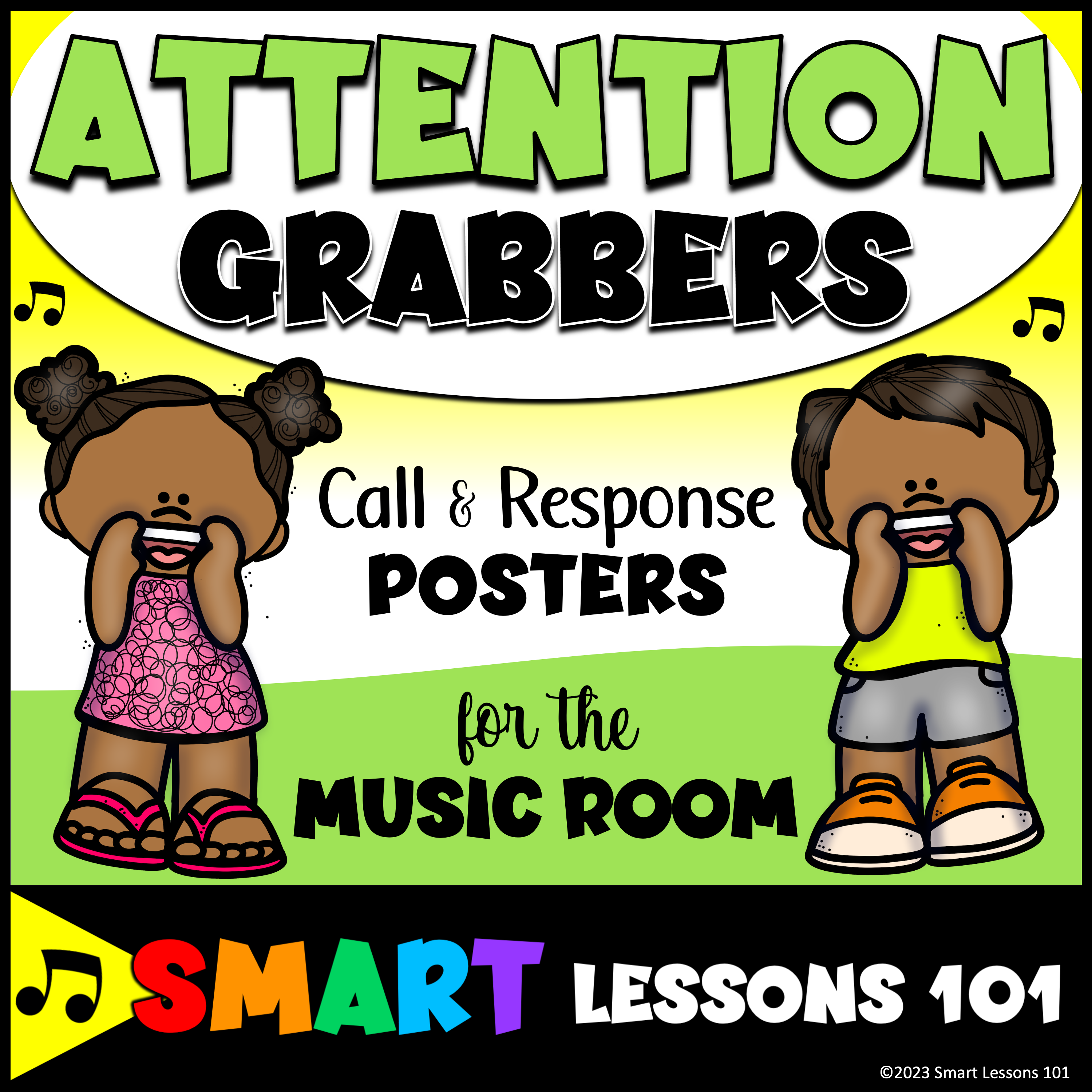
Want ready-to-use patterns that make this effortless? Check out our Call and Response ATTENTION GRABBERS for the Music Room. It's packed with fun, tested cues that save your voice instantly!
Strategy 2: Channel Energy with Intentional Brain Breaks
Elementary students need movement—it's how they process and re-energize. Instead of fighting their natural urge to move, build short, structured movement breaks directly into your lesson pacing.
A well-timed 60-second brain break helps reset student focus, releases extra energy before instrument play, and keeps your transitions running smoothly.
How to Implement This Today:
- Use movement activities as a transition between loud singing and focused listening.
- Set clear physical boundaries (e.g., "Stay in your self-space bubble!").
- Keep it music-centered so the learning never stops!
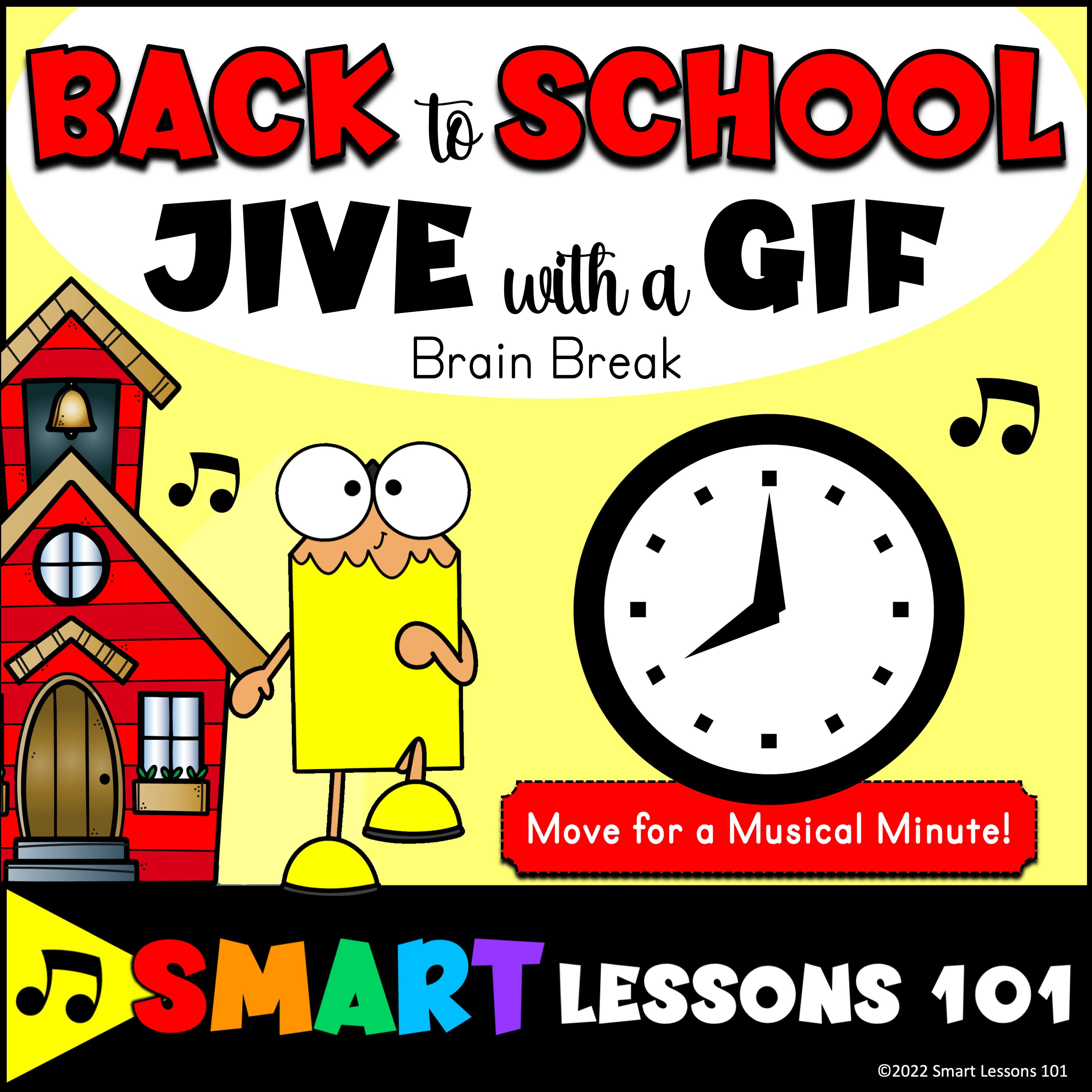
Need a quick reset button that kids love? Grab JIVE With A GIF! Brain Breaks & Music Minutes. It requires zero prep—just project the screen and let your students groove!
Strategy 3: Cool Down with Music-Related Quiet Activities
Not every minute of music class needs to be high-octane. Building in moments for quiet reflection or calm practice helps regulate the room—especially after high-energy movement or instrument playing.
Using music worksheets, listening logs, or instrument coloring pages creates an instant visual shift in the room’s energy and gives you time to assess individual student understanding.
How to Implement This Today:
- The "Cool Down" Station: End high-energy instrument lessons with a 5-minute quiet task to ensure students transition smoothly back to their homeroom teachers.
- Early Finisher Folders: Keep a stack of quiet printables ready for students who complete performance tasks early.
- Sub Day Anchors: Leave structured printables with a guest teacher to guarantee a quiet, controlled environment.
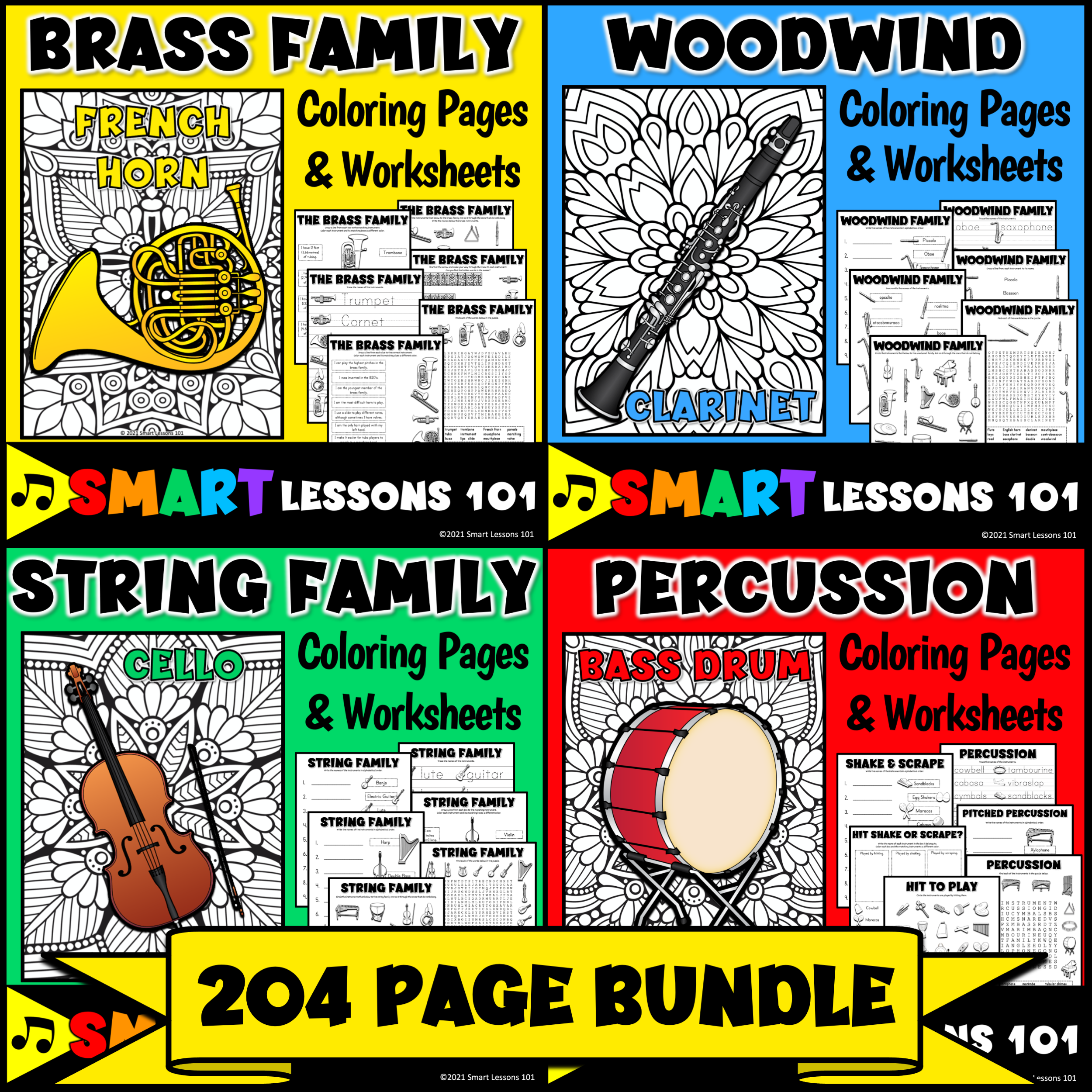
Keep your students quiet and engaged with our INSTRUMENT FAMILY BUNDLE: Worksheets & Coloring Pages. Perfect for fast-finishers, sub plans, and calm back-to-school activities!
Ready to Rock Your First Year?
Classroom management isn't about rigid rules; it's about establishing clear, musical routines that make learning fun for your students and stress-free for you.
Pick one routine to try this week, build consistency, and watch your classroom climate transform!
Want More Easy Music Lesson Ideas?
Get music teaching tips, lesson ideas, and free resources delivered to your inbox.
Thank you for subscribing!
Have a great day!