October Music Centers: Easy & Engaging Activities for Elementary Students
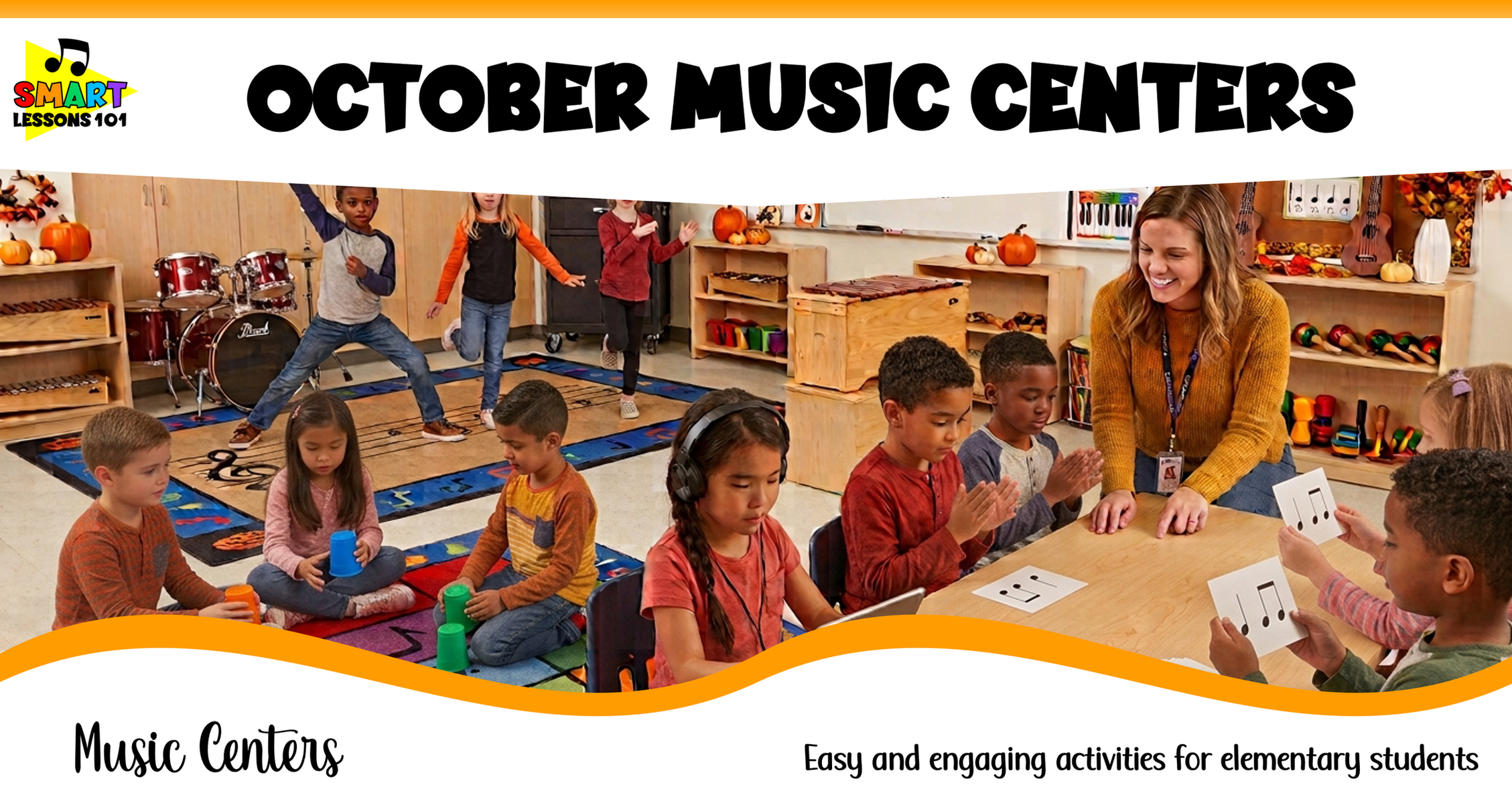
October is such a fun month in the music room—but let's be honest, it can also be one of the most energetic months of the school year! Students are excited about Halloween, fall activities are everywhere, and somehow everyone seems to have a little more energy than usual.
This is where music centers can be a lifesaver.
Centers give students the opportunity to work in smaller groups, practice important musical skills, and stay actively involved while you work with another group or provide extra help. And the best part? With a few simple activities, you can create rotations that are fun, purposeful, and easy to manage.
Your October music centers don't have to be complicated or require hours of prep.
With a few simple activities, you can create rotations that are fun, purposeful, and easy to manage.
Why Use Music Centers in October?
Centers are especially helpful when students are feeling extra energetic. Instead of trying to keep an entire class focused on one activity for 30–45 minutes, students can move through several shorter activities.
Centers can help students:
- Practice skills independently
- Work cooperatively with classmates
- Get more hands-on music-making opportunities
- Review concepts you've already taught
- Practice at different ability levels
- Stay engaged during those extra-energetic October classes
And you don't have to reinvent your entire music curriculum. Simply take skills you're already teaching and turn them into small-group activities.
1. Rhythm Center
Rhythm is one of the easiest musical skills to turn into a center activity. Students can work on:
- Rhythm identification
- Rhythm matching
- Reading rhythm cards
- Clapping and speaking rhythms
- Rhythm composition
- Rhythm puzzles
- Rhythm games
For October, add a seasonal twist with Halloween-themed rhythm cards or games. A rhythm bingo game, for example, gives students a chance to read and identify rhythms while playing together.
2. Note-Reading Center
A note-reading center is another easy way to keep students practicing music literacy. Depending on the grade level, students might work on:
- Treble clef lines and spaces
- Bass clef notes
- Note names
- Note-name spelling
- Reading simple melodic patterns
- Identifying notes on the staff
A Halloween theme can make familiar note-reading practice feel like a brand-new activity. For younger students, keep the focus on identifying individual notes. Older students can work on spelling words, reading patterns, or combining note-reading with rhythm.
3. Digital Music Center
Don't forget about the technology your students already know how to use. A digital music center is perfect for independent practice because students can work through activities at their own pace. Digital activities can be used for:
- Rhythm identification
- Note names
- Music symbols
- Dynamics
- Tempo
- Music vocabulary
- Listening skills
Interactive activities such as Boom Cards work particularly well for centers because students receive immediate feedback and don't need you sitting beside them for every question. For October, you can use seasonal activities such as Halloween treble clef note reading, spooky spelling, rhythm symbols, dynamics, and tempo practice.
4. Cup Game Center
Cup games are fantastic for centers because they combine music with movement and coordination. Students can practice:
- Steady beat
- Rhythm
- Coordination
- Listening
- Sequencing
- Following a pattern
- Performing with others
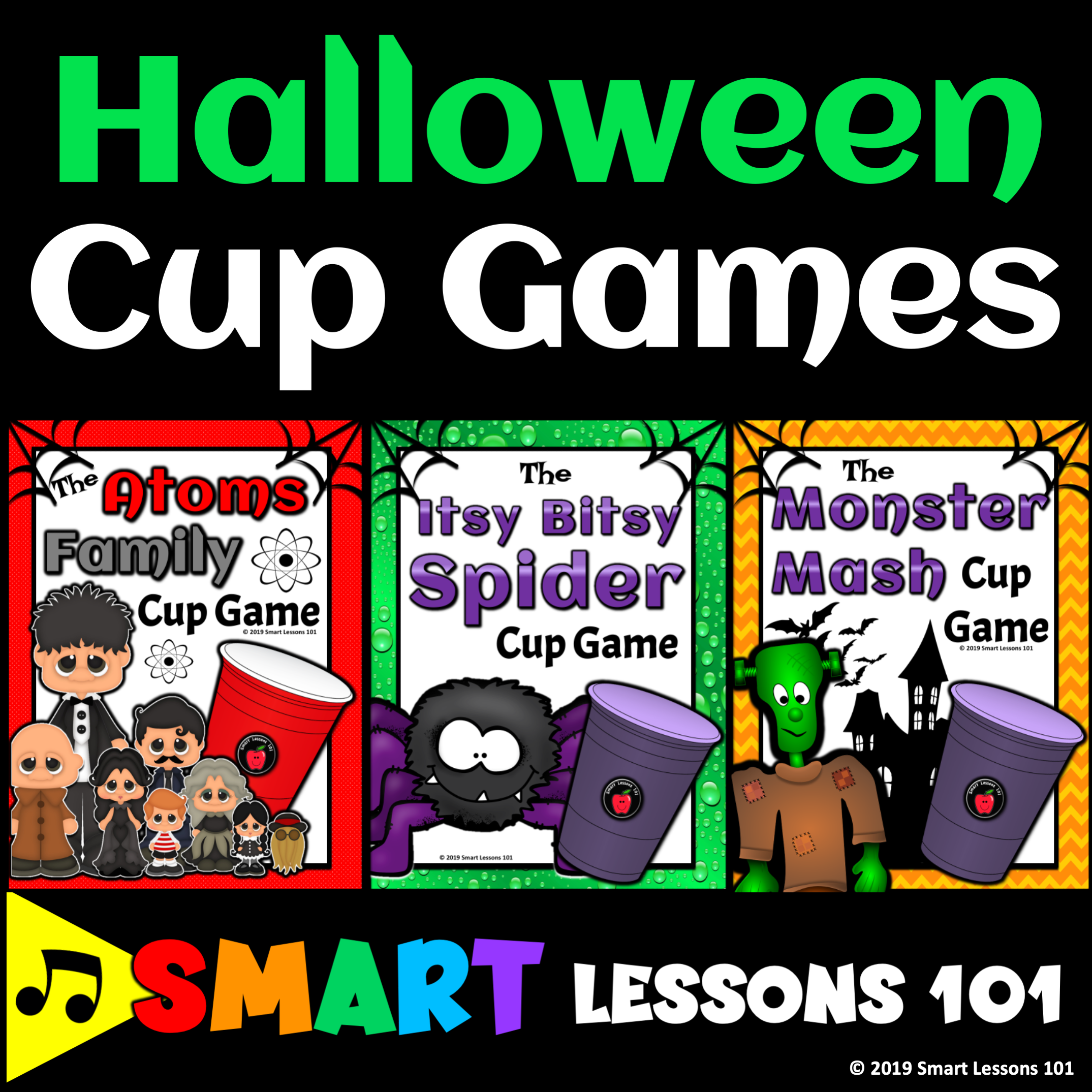
Halloween-themed cup games add an extra layer of excitement without requiring a complicated setup. Activities such as Monster Bash, Itsy Bitsy Spider, or “Atoms” Family can give students a chance to practice patterns while working together.
Teach the cup game to the entire class before making it a center.
Students need to understand the pattern and expectations first. Once they know what to do, the cup game becomes much easier to manage as an independent station. You can also keep a visual reminder of the pattern at the center for students who need a little help.
5. Music Literacy Center
Not every center needs to involve an instrument or a game. Sometimes students simply need an opportunity to review the musical concepts you've already taught. A music literacy center can include:
- Music vocabulary
- Dynamics
- Tempo
- Rhythm symbols
- Note names
- Rests
- Musical symbols
- Color-by-code activities
- Music worksheets
Halloween-themed color-by-code activities are particularly useful here because they feel like a fun seasonal activity while still providing meaningful review.
6. Movement & Listening Center
October is the perfect time to get students up and moving! A movement center can combine steady beat, listening, rhythm, coordination, and musical decision-making. Here are three easy options to rotate through.
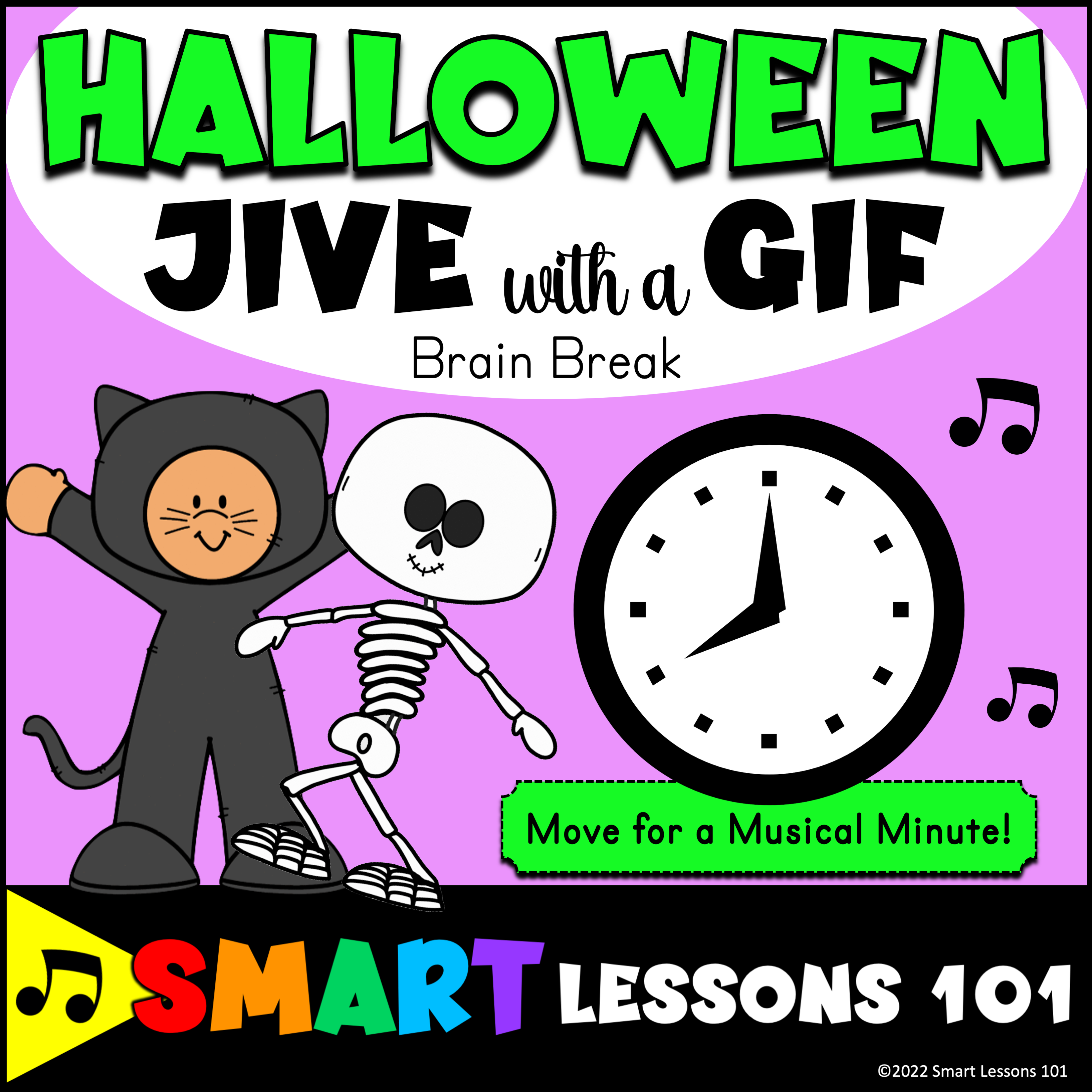
Halloween Jive with a GIF
A visual movement activity is a great choice for students who benefit from seeing what they are supposed to do. Students can follow the movement cues while practicing:
- Steady beat
- Coordination
- Listening
- Following a sequence
- Moving to music
The visual component helps students stay focused and gives them something concrete to follow. This is especially helpful when you want movement without turning the center into complete chaos!
Halloween Four Corners
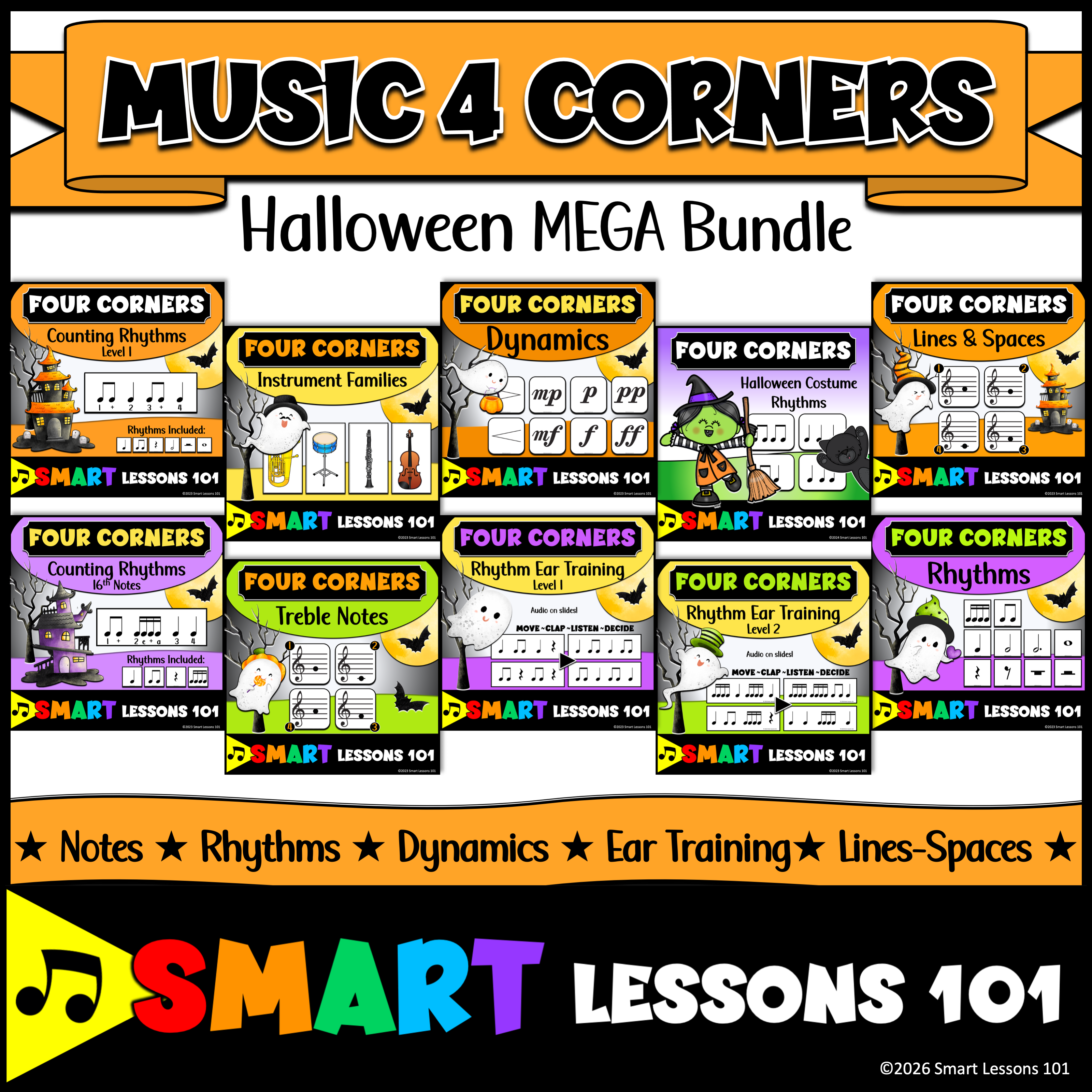
Four Corners is another fun way to get students moving while reinforcing musical concepts. Label the four corners of the room with different Halloween characters, symbols, musical choices, or answers. Students listen to the prompt and move to the corner that represents their answer. You can use Four Corners to practice:
- Rhythm identification
- Note names
- Dynamics
- Tempo
- Musical vocabulary
- Listening choices
It becomes a combination of movement + listening + musical decision-making.
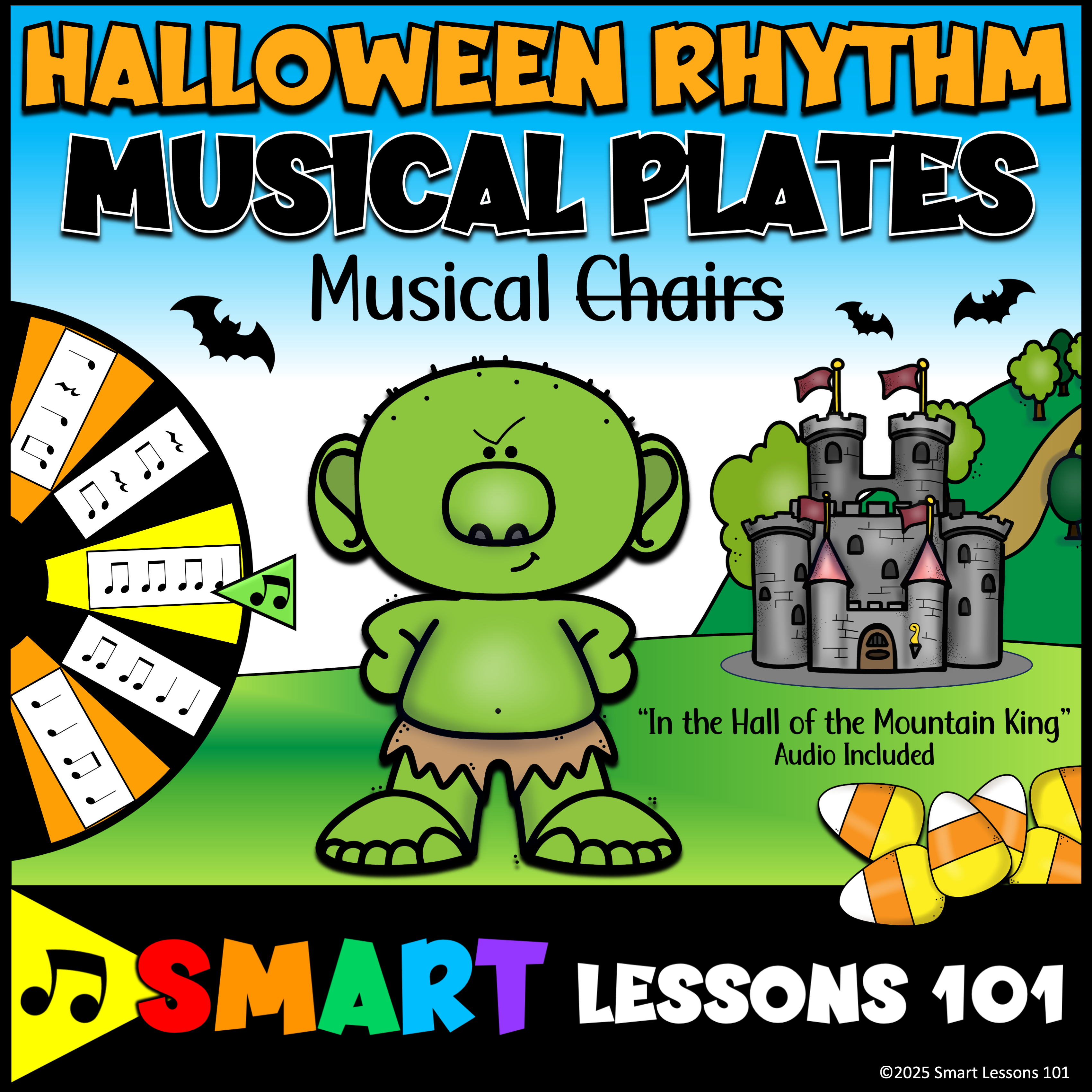
Halloween Rhythm Musical Plates
Musical plates are another great option when you want students moving while practicing rhythm. Place rhythm plates around the room. Students move while the music plays. When the music stops, students find a plate and perform the rhythm.
Depending on your students, they might:
- Clap the rhythm
- Say the rhythm syllables
- Tap the rhythm
- Play it on a percussion instrument
- Perform the rhythm with a partner
The activity can easily be adjusted for different grade levels by changing the rhythms on the plates. there is no need to eliminate students. Everyone stays involved!
Tips for Making Music Centers Work
Centers can make your teaching life easier—but only if students know exactly what is expected. Here are a few things that can make a big difference.
1. Keep Directions Simple
- Students should be able to glance at the directions and know what to do.
- Avoid long paragraphs of instructions.
- Use numbered steps whenever possible.
2. Use a Timer
- A visible timer helps students know when it's time to switch.
- It also saves you from answering the question: “Are we done yet?”
3. Number Your Centers
- Give each station a number. For example:
- 1 — Rhythm
- 2 — Note Reading
- 3 — Digital
- 4 — Cup Game
- Then give students a rotation chart showing where they go next.
4. Have a "What If I'm Done?" Plan
- Decide in advance what students should do if they finish early.
- They might:
- Repeat the activity
- Practice a rhythm
- Complete a challenge card
- Read a music book
- Choose a quiet music activity
5. Start Small
- If you've never used centers before, don't start with six complicated stations.
- Try three simple centers.
- Once your students understand the routine, you can add more.
6. Don't Make Every Center Halloween-Themed
- This is a big one. You don't need to create an entirely new Halloween curriculum.
- Take activities you're already using and add a seasonal element to one or two centers.
- The goal is more engagement—not more prep.
Centers Don't Have to Mean More Prep
One of the best things about music centers is that you can reuse them throughout the year. The activity stays the same. You simply change the content.
- A rhythm game can become:
- Halloween in October
- Fall in November
- Winter in December
- Valentine's Day in February
- Spring in March
Your students get something that feels new, while you don't have to start from scratch every month.
- Digital activities work the same way. Once students understand how the center works, you can simply assign a different activity.
- Cup games can return again and again.
- Music literacy activities can become review stations, early-finisher activities, assessment practice, or even emergency sub plans.
That's where centers really start to save you time.
Keep Them Moving, Learning & Making Music
October doesn't have to mean choosing between fun and learning. With the right music centers, students can enjoy the seasonal excitement while still practicing important musical skills. The key is to keep things simple.
- Choose activities that:
- Require minimal preparation
- Have clear directions
- Reinforce skills you're already teaching
- Keep students actively involved
- Can be reused throughout the year
And don't be afraid to lean into the Halloween theme a little. A spooky rhythm game or Halloween movement activity can be just the thing that keeps students engaged during one of the busiest months of the school year.
Looking for Halloween Music Activities?
If you're putting together October music centers, the Smart Lessons 101 Music Halloween collection includes a variety of ready-to-use activities for rhythm, note reading, music literacy, movement, cup games, digital practice, and more.
Use one activity as a center—or combine several to create an entire October rotation. The goal isn't to add more work to your October.
It's time to make the music you already teach a little more fun!
Want More Easy Music Lesson Ideas?
Get music teaching tips, lesson ideas, and free resources delivered to your inbox.
Thank you for subscribing!
Have a great day!